Common Mistakes to Avoid in Real Estate Photography


Understanding the Importance of Lighting
Lighting can make or break a real estate photograph. One of the most common mistakes is relying solely on natural light without considering its intensity and angle. This can lead to overly bright or dark photos that fail to capture the property's true essence. It's crucial to use a mix of natural and artificial lighting to create a balanced look.
Another error is shooting at the wrong time of day. The golden hours—shortly after sunrise and before sunset—provide soft, warm lighting that can enhance the appeal of the property. Avoid shooting at midday when the light is harsh and shadows are stark.

Ignoring Composition Rules
Composition is key in photography, and real estate is no exception. A common mistake is neglecting the rule of thirds, which involves dividing the image into nine equal parts and placing the subject at the intersections. This creates a balanced and engaging photo.
Also, be mindful of clutter in the frame. Ensure that the space is tidy and free from distractions. A clean and organized shot can significantly impact a potential buyer's perception.

Overlooking the Importance of Angles
The angle from which you take a photo can drastically change how a space is perceived. Shooting from eye level is often the best approach for most interiors; however, experimenting with different angles can sometimes highlight unique features.
Be cautious with wide-angle lenses, as they can distort the space if not used properly. While they can make a room appear larger, excessive use can lead to unrealistic images that may disappoint potential buyers during a visit.

Failing to Edit Photos Properly
Post-processing is an essential step in real estate photography. One mistake is over-editing, which can result in images that look artificial. Aim to enhance the photo while maintaining its natural feel. Adjusting brightness, contrast, and sharpness can make a significant difference.
On the other hand, under-editing can leave photos looking dull and uninviting. Use editing tools to correct any issues with lighting and color balance to ensure the property looks its best.
Neglecting Exterior Shots
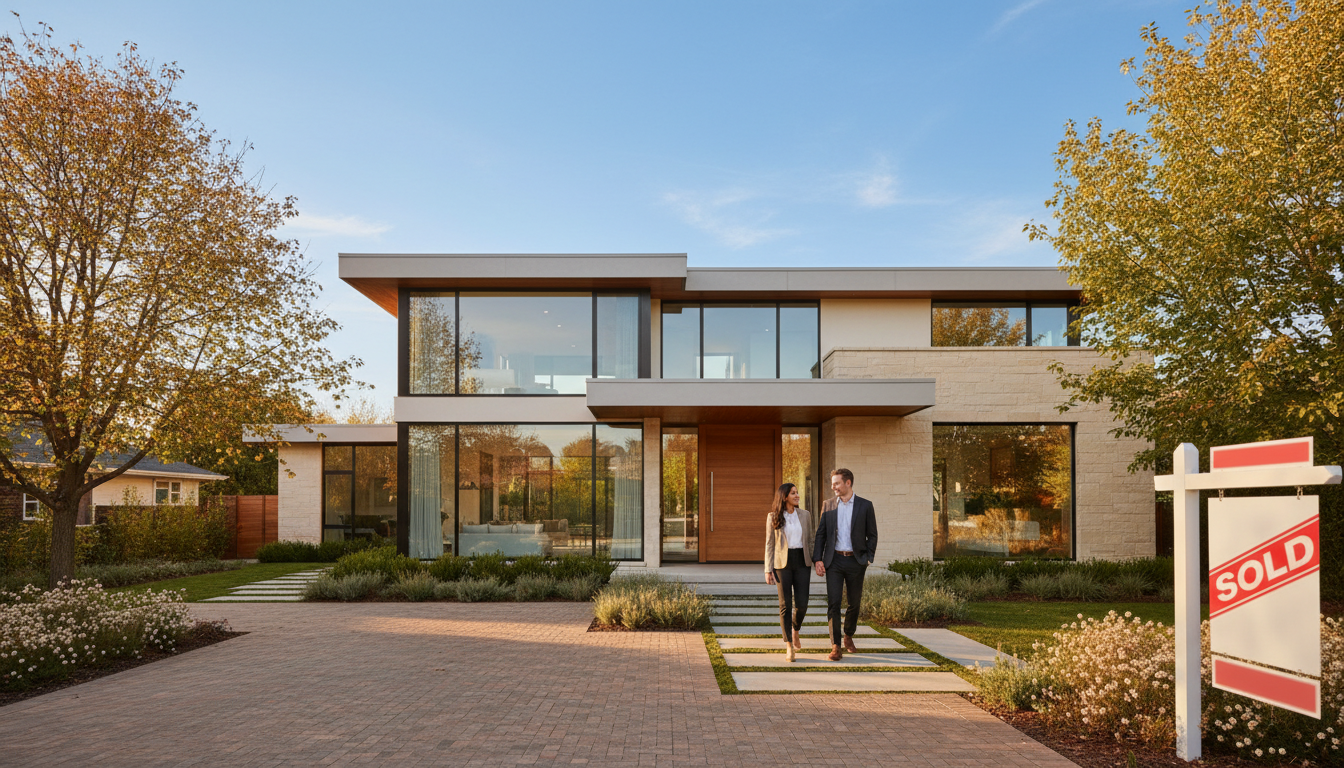
While the interior of a property is important, the exterior should not be overlooked. Capturing the outside of the home, including the yard and surrounding landscape, provides potential buyers with a complete view of the property.
Ensure that the exterior is clean and well-maintained before taking photos. Consider the weather conditions, as a bright, clear day will typically yield the best results for outdoor shots.
Using Low-Resolution Images
High-quality images are crucial in real estate photography. Low-resolution photos can appear unprofessional and may not effectively showcase the property’s attributes. Invest in a good camera and ensure that your images are sharp and clear.
Remember to optimize images for online use without compromising quality. This ensures quick loading times while preserving the details that make the property stand out.
Conclusion
Avoiding these common mistakes in real estate photography can significantly enhance the appeal of your property listings. By focusing on lighting, composition, angles, and proper editing, you'll create images that captivate and engage potential buyers.
Remember, a well-photographed property not only attracts attention but also helps in conveying the true potential and beauty of a home.